Silence, Cedar & Sado: Dispatches from Northern Japan
Beyond the congested corridors of Kyoto and Tokyo lies the snow country of Niigata and the windswept isolation of Sado Island — custodians of Japan's quietest crafts.
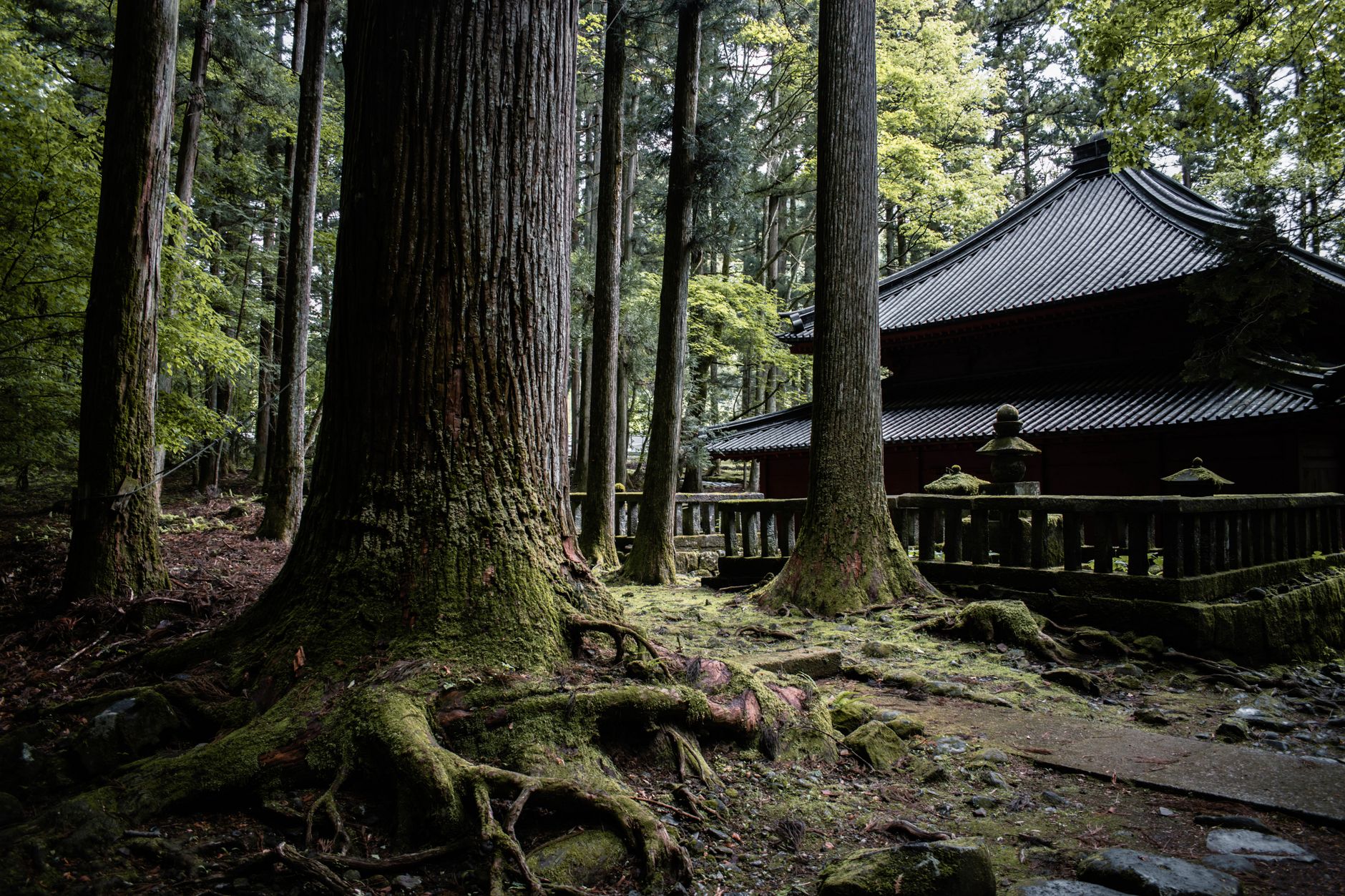
Footpath approaching Myosen-ji, Sado Island, Niigata Prefecture.
Article Sections
The ferry from Niigata Port cuts across the Japan Sea in three hours. As mainland factories fade into low gray clouds, the jagged volcanic silhouette of Sado Island emerges. Historically an island of exile for emperors, calligraphers, and Noh dramatists, Sado developed a cloistered cultural ecosystem unpolluted by metropolitan trends.
1. The Alchemy of Wild Urushi Lacquer
In the foothills behind Ogi town, fourth-generation lacquerer Kenzo Tanaka works in near complete darkness. Urushi — the toxic sap harvested from wild sumac trees — cures not by drying, but by absorbing ambient moisture in high-humidity wooden cupboards known as furo.
"If dust settles on the layer during the thirty hours of curing, weeks of polishing with charcoal are ruined," Tanaka explains, handling a lightweight cedar sake vessel. The result is a tactile warmth unmatched by synthetic polymer coatings: a vessel that feels almost organic in the hand.
2. Sado's Forgotten Stage Craft
Sado once housed over two hundred outdoor Noh theater stages — more than a third of all stages in Japan. Built beside Shinto shrines under spreading cryptomeria trees, these stages were maintained by farmer-actors who memorized texts while planting rice paddies.
"When rain falls on the cypress planks of an outdoor Noh stage, the actors' chant is accompanied only by water drops and the rustling canopy."
Attending a performance today requires no ticket counter. You sit on woven tatami mats brought by villagers, with cedar incense warding off the twilight chill.
3. Visiting Remote Ryokans with Integrity
When staying at family-operated ryokans in Niigata, the emphasis is placed on punctuality and communal respect. Dinner is served promptly at the hour the seasonal wild mushrooms are broiled; the cypress hot spring bath (onsen) is entered clean and unperfumed. Travelers who embrace these quiet cadences are welcomed with uncommon generosity.
Plan a Private Asian Cultural Route
Commission an itinerary crafted around independent ceramic masters, quiet temples, and traditional carpentry retreats.
Begin Consultation